The Digest
Discover the latest in nutrition – from reliable research to practical tips and wholesome recipes dished out by registered dietitians. Whether you're seeking science-backed insights, expert advice, or delicious ways to nourish your body, we've got you covered!
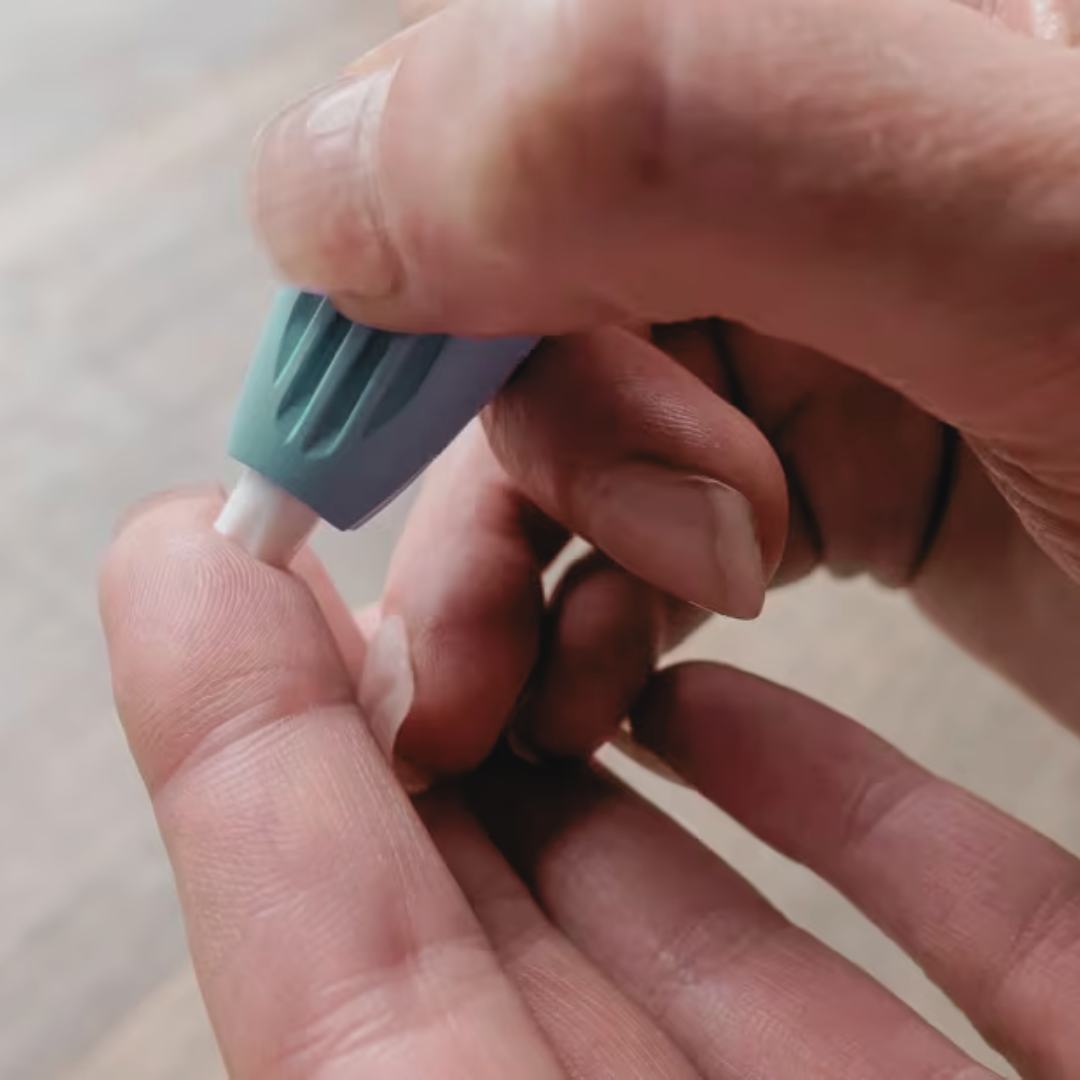
Do Food Sensitivity Tests Actually Work? Here's What the Research Says
If you've struggled with bloating, stomach pain, headaches, fatigue, or other unexplained symptoms, you've probably seen ads promising to identify your "food sensitivities" with a simple blood test. Companies market these tests as a quick solution to finally finding the foods causing your symptoms.
But are these tests accurate?

Understanding Stress, the HPA Axis and its Relationship with Nutrition
When we experience stress (whether physical, emotional, or environmental) our bodies rely on the hypothalamic-pituitary-adrenal (HPA) axis to coordinate the stress response. This communication network connects the brain and adrenal glands, triggering the release of cortisol, often called the "stress hormone." Cortisol helps regulate blood sugar, blood pressure, inflammation, and energy availability so the body can respond to challenges.
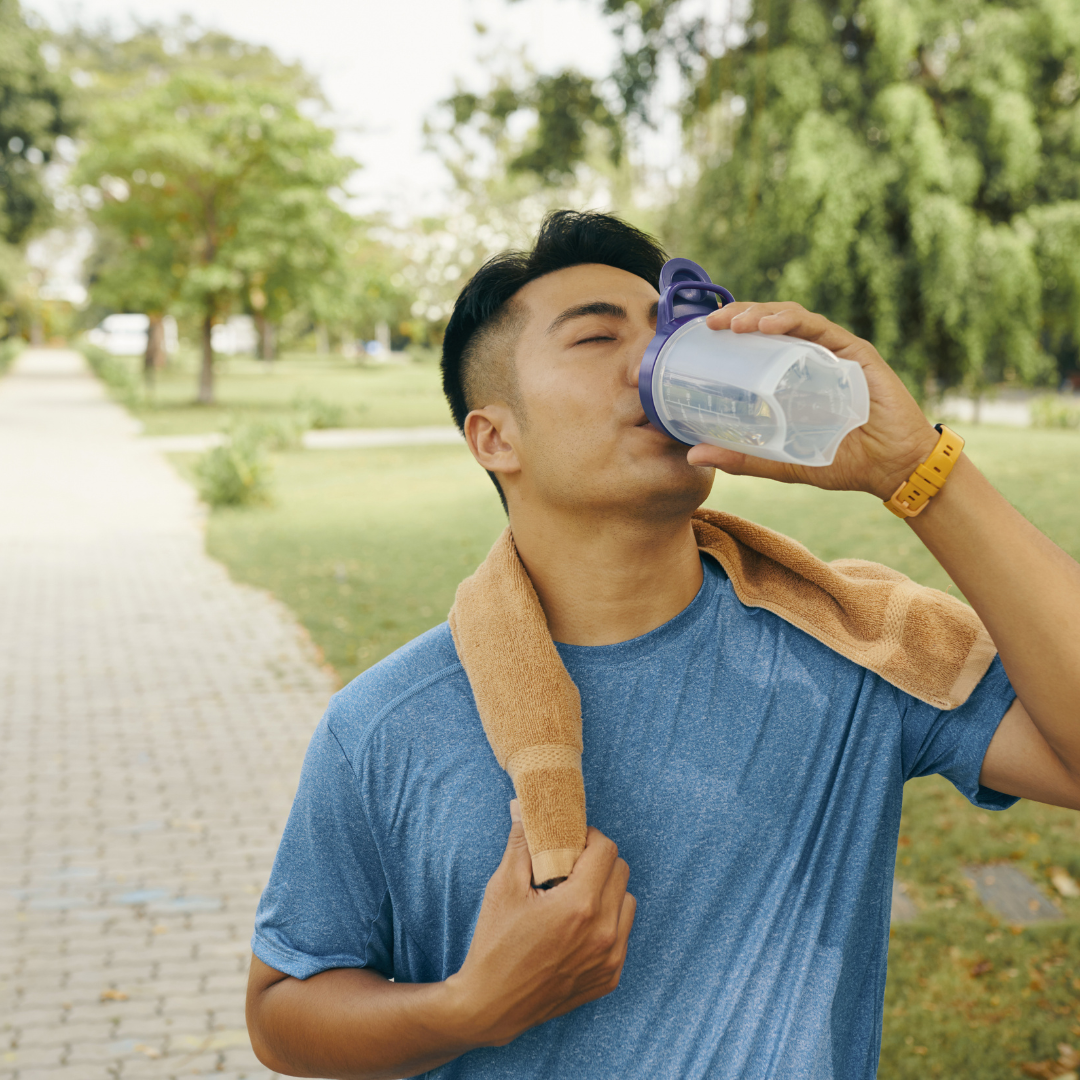
Summer Hydration: Comparing Popular Electrolyte Drinks on Cost, Quality, and Electrolyte Content
As temperatures rise and outdoor activity increases, many people reach for electrolyte drinks to support hydration. From athletes and hikers to gardeners and weekend warriors, electrolyte beverages have become increasingly popular. But with dozens of products on the market, how do they actually compare?

Can Diet Reduce Your Risk of Dementia and Alzheimer's Disease? What We Actually Know
As the population ages, concerns about dementia and Alzheimer's disease continue to grow. Many people wonder whether there are lifestyle changes they can make now to support their brain health later in life. Nutrition is often one of the first places people look, but the information available online can be overwhelming and sometimes misleading.
While there is currently no diet proven to prevent Alzheimer's disease, research suggests that dietary habits may play a role in supporting healthy brain aging and potentially reducing dementia risk.

Should I Decrease My Vitamin D Supplement in the Summertime?
Working as a Registered Dietitian in Montana, one of the questions I hear every summer is “Now that I’m spending more time outside, should I stop taking my vitamin D supplement?”
The short answer? Maybe. However, it’s not as straightforward as many people think.

Top 10 Weight-Neutral Ways to Support Your Body Through Perimenopause
Perimenopause can feel like your body changed the rules overnight. As someone who spends their time working in Women’s Health, I see many women become discouraged when weight changes, fatigue, mood swings, sleep disruption, and shifting body composition appear during this transition. But supporting health in perimenopause should not center around shrinking your body. A weight-neutral approach focuses on improving quality of life, strength, energy, and long-term health behaviors instead of chasing a number on the scale.

Eating Disorders in the LGBTQ+ Community
Pride Month is often filled with messages about authenticity, self-expression, and celebrating who you are. But for many LGBTQ+ individuals, the relationship with their body can feel much more complicated.
Body image struggles, food anxiety, disordered eating, and eating disorders are incredibly common within LGBTQ+ communities, yet many people still feel unseen in conversations about recovery and support.

How to Spot Nutrition Misinformation Online
You've probably seen it: a viral post claiming a single food can "fix your gut health," or an influencer warning you to cut out entire food groups. It makes sense that these posts catch your attention, they're confident, simple, and seem to offer clear answers. In a world where nutrition feels confusing, that kind of certainty is appealing. But here's the problem: confidence isn't the same as accuracy.
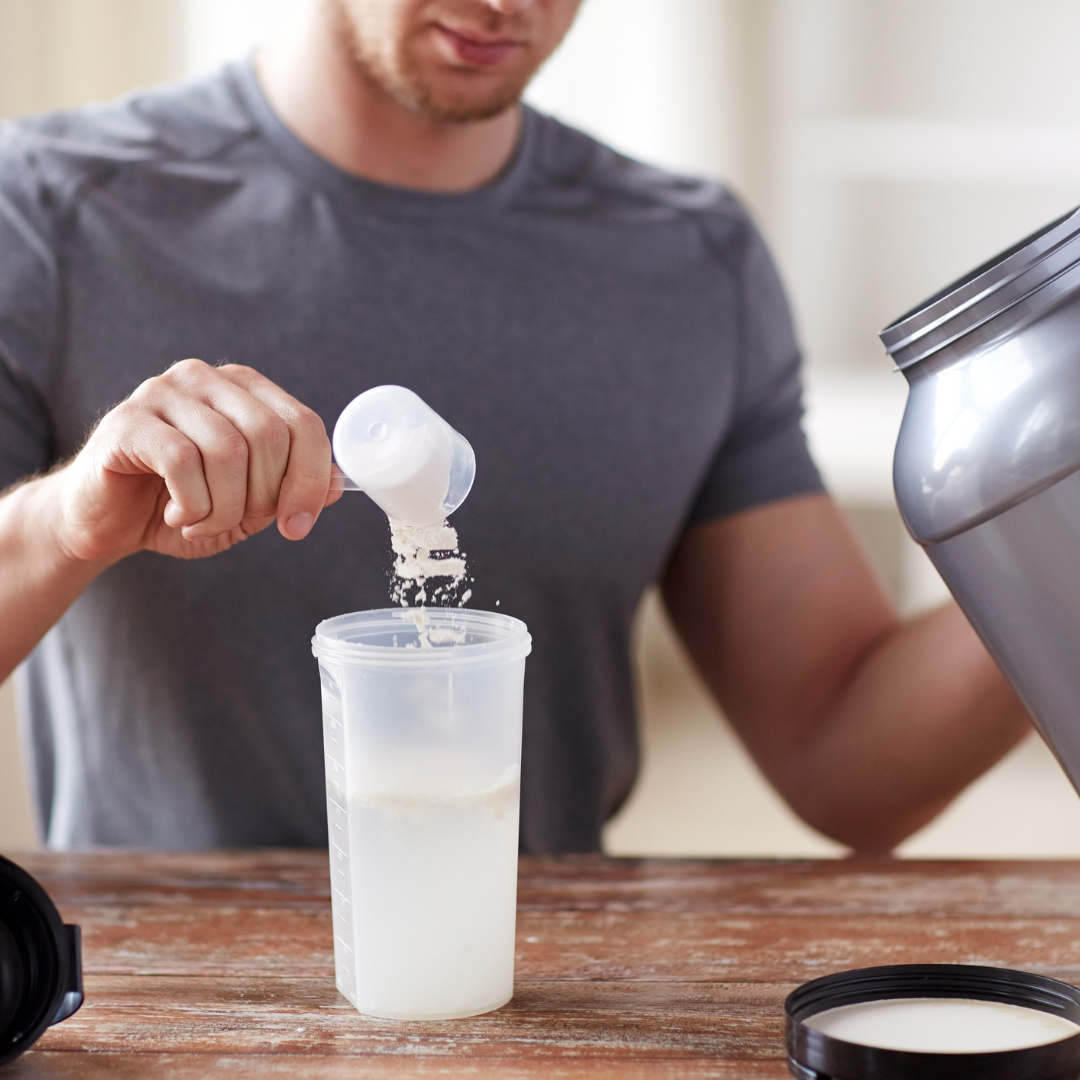
How Much Protein Do You Actually Need?
Protein has become one of the biggest trends in nutrition. Grocery store shelves are filled with high-protein snacks, shakes, bars, cereals, and even desserts. Diets like keto and carnivore continue gaining popularity online, often promoting the idea that more protein is always better.
But with so much conflicting information online, many people are left wondering: how much protein do we actually need?
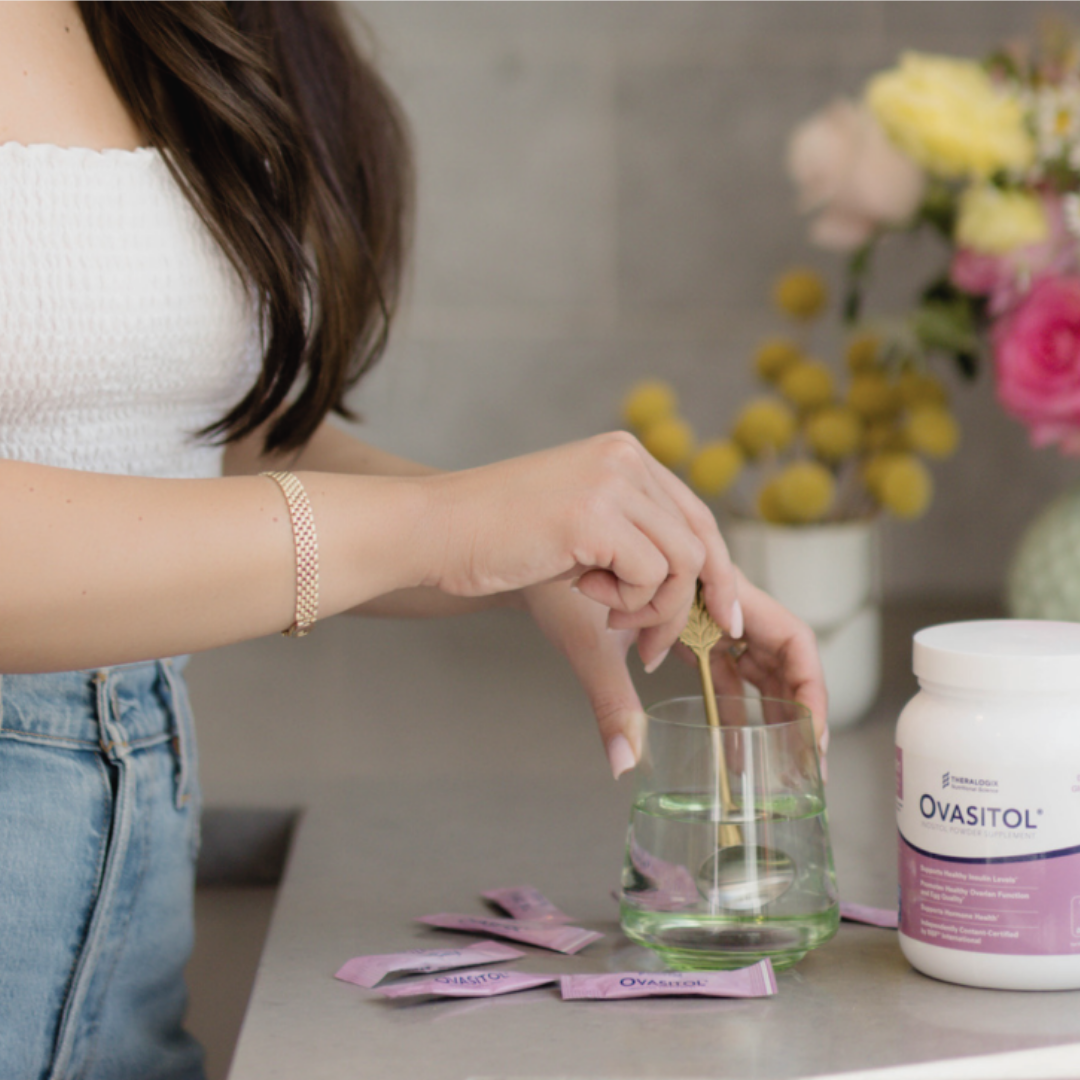
Ovasitol for PCOS (now PMOS) and Insulin Resistance
As a Women’s Health specialist, I often work with individuals navigating the complex hormonal landscape of polycystic ovary syndrome (PCOS). One supplement that consistently stands out in both research and clinical practice is Ovasitol, a targeted blend of myo-inositol and D-chiro-inositol in a physiologically balanced ratio.
PCOS is frequently driven by insulin resistance, even in individuals with normal body weight. This underlying issue can disrupt ovulation, increase androgen levels, and contribute to symptoms such as irregular cycles, acne, and excess hair growth. Ovasitol works by improving insulin sensitivity at the cellular level, helping the body use insulin more effectively and reducing the cascade of hormonal imbalances that follow.