Factors in Fertility Struggles - How a Dietitian Can Help
Fertility struggles can be physically and emotionally challenging, and they are far more common than many people realize. As a Registered Dietitian Nutritionist (RDN), I often work with individuals who feel pressure to “fix” fertility challenges through diet or body changes. It’s important to state clearly: fertility is complex, and challenges are rarely caused by a single factor. Although it is often a significant focal point when an individual is faced with struggles conceiving, body weight alone is not a reliable predictor of fertility. Subsequently, focusing solely on weight loss can distract from more meaningful, supportive changes.
Nutrition plays a role in reproductive health by supporting hormone production, egg and sperm quality, and overall energy availability. Rather than emphasizing restriction or perfection, a fertility-supportive approach focuses on nourishment and consistency. Eating regular meals with a balance of carbohydrates, protein, and fats helps maintain stable blood sugar levels and supports hormonal signaling. Chronic under-fueling, skipped meals, or highly restrictive diets can place stress on the body and potentially disrupt reproductive function.
Certain nutrients are especially important during preconception and fertility care, including iron, folate, iodine, choline, omega-3 fatty acids, and vitamin D. These nutrients support cell development, ovulation, and early pregnancy processes. However, needs vary widely, and supplementation should be personalized and guided by a healthcare professional rather than assumed or self-prescribed.
Lifestyle factors can also influence fertility, though they are often oversimplified. Chronic stress, inadequate sleep, and burnout can affect hormones and inflammation over time. While stress does not directly “cause” infertility, supporting nervous system regulation through rest, realistic routines, and social support can be beneficial. Sleep quality and consistency are especially important, as disrupted sleep patterns may affect ovulation and sperm production.
Movement is another area where balance matters. Gentle, enjoyable physical activity can support circulation, mental health, and metabolic function. At the same time, excessive or intense exercise (particularly when paired with inadequate fueling) may negatively impact reproductive hormones. The goal is movement that feels supportive, not punishing.
Finally, it’s important to acknowledge that many people face barriers to fertility care, including delayed evaluation or treatment due to assumptions about body size. Fertility support should be individualized, evidence-based, and respectful of the whole person.
If you’re navigating fertility challenges, working with an RDN can help you focus on nourishing your body, supporting your health, and building sustainable habits. For individualized support that is respectful of the patient as a whole, contact a Northern Nutrition Group dietitian today.
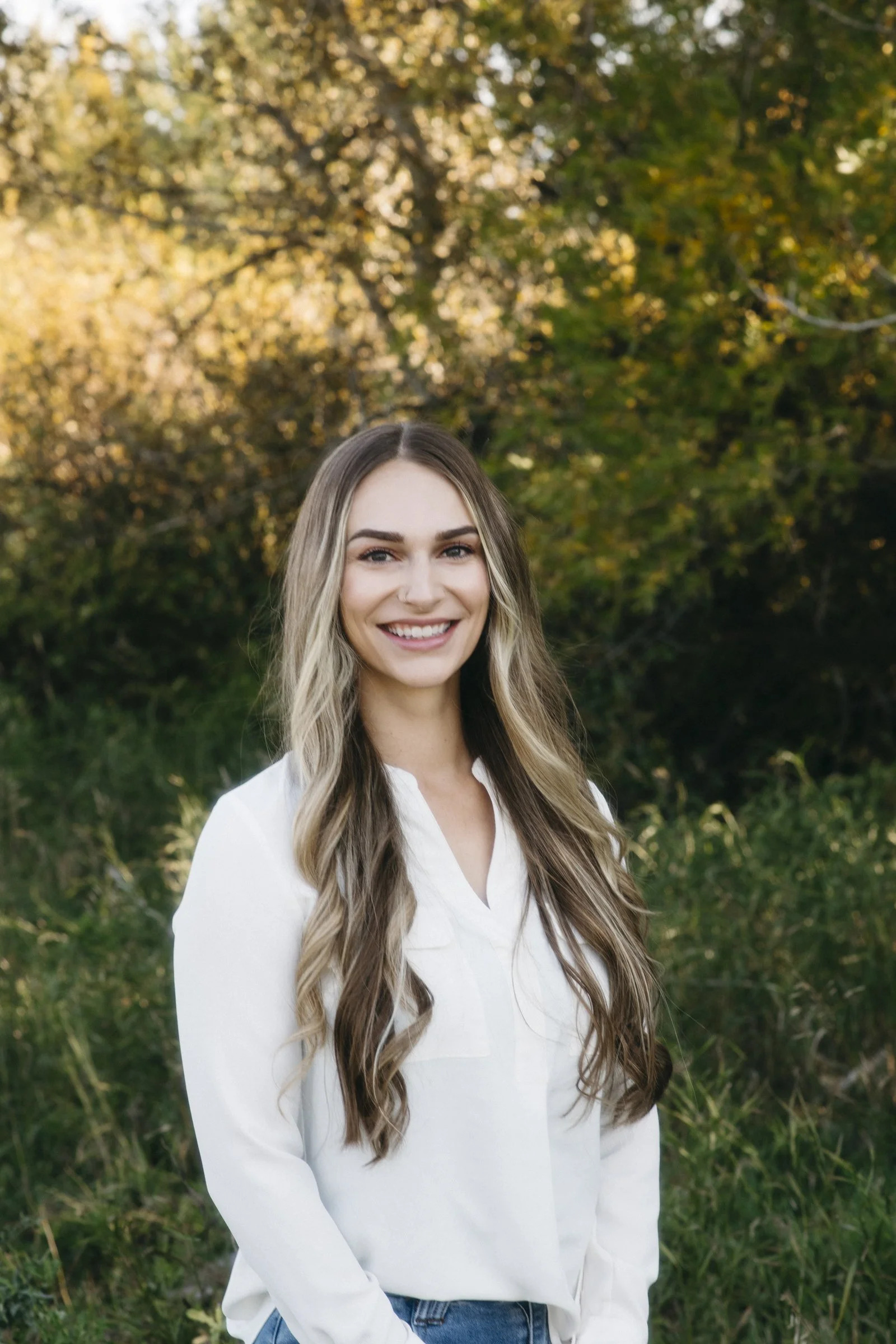
Written by Kylie Conner
Kylie specializes in: Oncology - supporting individuals through cancer treatment, remission, malnutrition, food aversions, enteral nutrition, and preventive strategies. PCOS & Fertility - weight-inclusive care for hormonal balance, menstrual health, and fertility support. Cardiovascular Disease - heart disease, high cholesterol, high blood pressure, and related conditions. Chronic Disease Prevention and Management - focusing on sustainable, non-restrictive approaches to improve long-term health and reduce risk.