7 Signs You May Have An Eating Disorder
In our culture, there is a great deal of messaging about eating patterns and body size. People in smaller bodies are often praised and described as disciplined, focused, “doing well,” healthy, or having strong self-control. Sometimes, maintaining a certain body size or restrictive eating pattern is even treated as a sign of excellence or superiority.
At the same time, when someone’s body or eating patterns don’t fit these prescribed ideals, the message can become that something is “wrong,” that “they’re doing it wrong,” or that a person simply doesn't care enough about their health.
Over time, these cultural messages can become internalized. The voice that says someone just isn’t trying hard enough can quietly shape how they think and feel about food, their body, and movement. For many people, these pressures contribute to patterns around food and exercise that begin as attempts to cope or feel in control, but can eventually become distressing or difficult to navigate alone.
Eating disorders are complex and can affect people of all body sizes, identities, and backgrounds. They are not a sign of failure or lack of willpower.
7 signs that may indicate an eating disorder:
Feeling guilt or shame after eating, or feeling a need to “make up for” eating
Restricting food during the day in order to feel permission to eat more later
Feeling anxious about eating around others or worrying about being judged
Avoiding social events or activities because of uncertainty about the food that will be available
Bringing your own food to gatherings because other options feel unsafe or “not healthy enough”
Viewing carbohydrates or calories as something to fear rather than nutrients the body needs
Frequently checking, measuring, or monitoring your body
If any of these experiences feel familiar, you are not alone, and support is available. Reaching out to one of our registered dietitians for an eating disorder assessment can be a gentle first step toward understanding your relationship with food and your body, and receiving care that is supportive and non-judgmental.
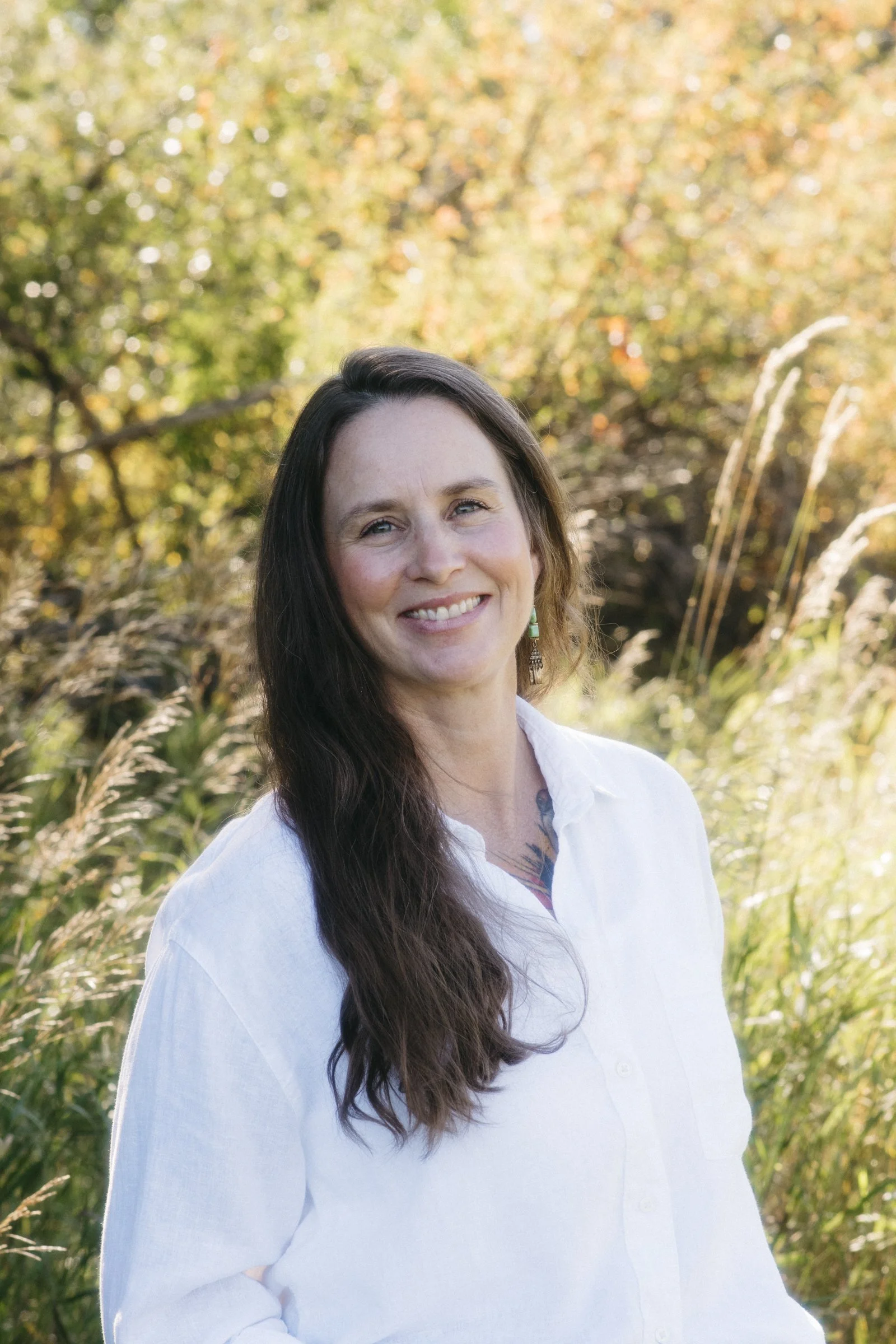
Written by Patricia Kunz, RD, LN, CIEC
Patricia specializes in: Eating disorders, disordered eating patterns, intuitive eating, and general wellness.